Food is a necessity for those returning to your community.
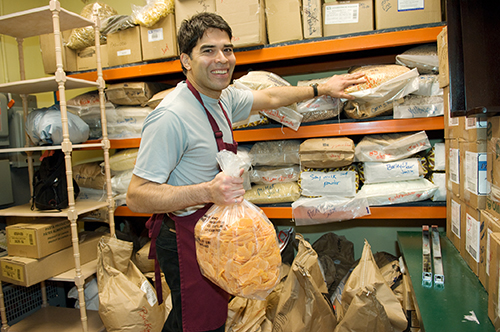 Life is full of uncertainty for men and women who are released from prison. One of their most urgent needs is food. A reentry program with a food pantry can mean the difference between ex-prisoners going hungry or being adequately fed.
A food pantry ministry is fairly easy to start and doesn’t have to take much space. Basically, you need a small storage room with shelves to organize non-perishable foods donated by those who feel called to feed the hungry. Plus, you will need to create some basic guidelines on how food distributions will be handled.
BEFORE YOU BEGIN
Before opening the pantry:
- Get approval from your pastor and/or church leadership.
- Gather a team of volunteers to help establish your food ministry.
- Select an appropriate location for the pantry, preferably with a door that can be locked.
- Set general operational guidelines about who may receive food, as well as how and when food will be given out.
- Set up any record-keeping systems needed.
- Have a food drive to fill the pantry with non-perishables.
- Organize the pantry so items are easy to find.
- Make sure volunteers understand the rules for operating the pantry.
Some church food pantries find it helpful to offer pre-packaged care boxes or bags with a designated amount of food for a certain number of days. These care boxes may also contain non-food items such as laundry soap or personal hygiene products along with a note of encouragement and a scripture that speaks of God’s love.
NEXT STEPS
Once the pantry is open:
- Take inventory of the pantry frequently and use up items that are nearing their expiration dates.
- Plan on how the pantry will be restocked, possibly holding monthly or quarterly food drives.
- Consider ways to grow the food ministry to serve more people.
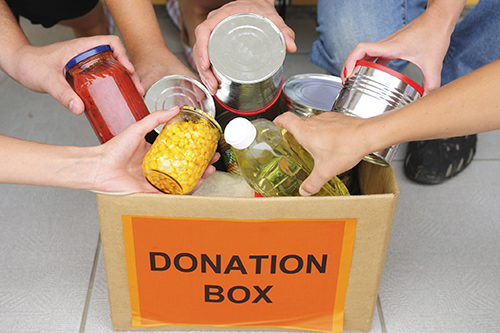 By providing food for ex-prisoners and their families, you’ll be empowering them with strength and nutrition for the challenging days ahead. Just as food nourishes the body, the loving care of compassionate people can nourish and comfort the hearts and souls of people in great need. In time—with the support of the church or reentry team—they may see themselves as givers of hope and care to others facing similar trials.
ADDITIONAL RESOURCES
To learn more about starting and maintaining a food pantry, follow these links:
- Article: “10 Most Needed Items for a Food Pantry“
- Helpful report on the food pantry at Grace Episcopal Church in Mansfield, OH
Contact Prison Fellowship at 800-206-9764 for help assessing the need for a food pantry ministry in your community and to connect with other churches and organizations that may assist.
DOWNLOAD THIS RESOURCE
Download this resource. Once downloaded, you can print, save, or share the pages with others.
DOWNLOAD