In their opinion piece this week for "The Hill," Timothy Head and Craig DeRoche demonstrate how faith-based organizations are valuable in curbing recidivism in America.

By Randy Anderson, as told to Emily Andrews
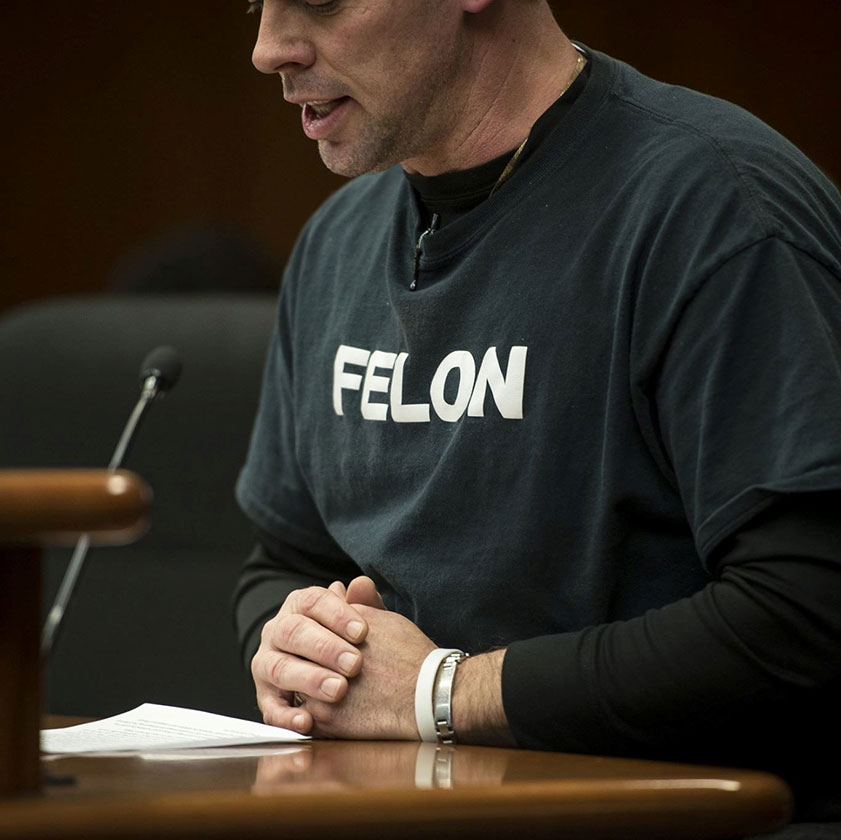
Randy Anderson will be speaking at Prison Fellowship®'s annual Second Chances 5K in St. Paul, Minnesota, this spring. The 5K raises awareness for those in need of a second chance. Randy hopes his story of struggle and recovery will inspire others—in and out of prison—to believe that no life is beyond restoration.

Part II in Prison Fellowship's Mentoring Prisoners series: Check out these 3 important questions for mentors. Would you make a good mentor?

Do you want to help prisoners and former prisoners thrive? Read Part One of our Mentoring Prisoners series to learn how to be a good mentor to prisoners.
Refoundry doesn't really teach skills; it shows people how to develop and use them.

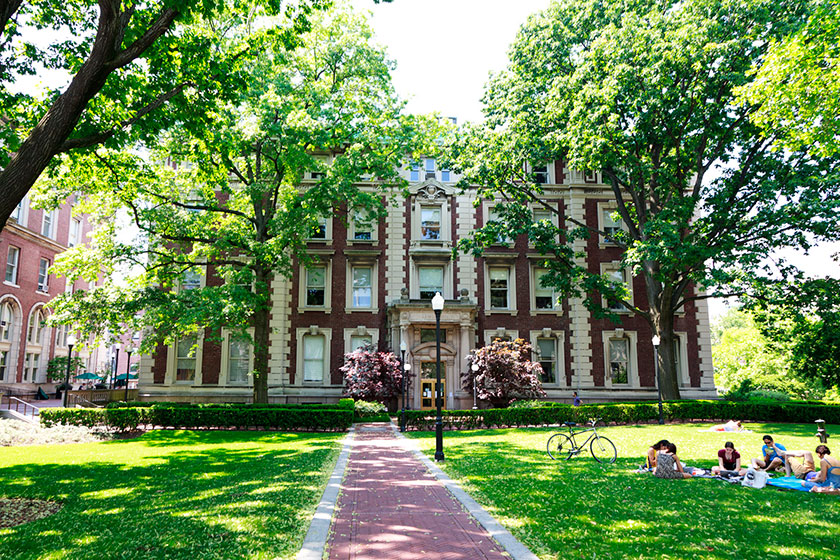
It’s safe to say Columbia blue suits David Norman much better than his prison jumpsuit ever did.
He sat in the front row with Columbia University’s class of 2016, graduating as the oldest member at age 67.
The Harlem native only had one day of high school under his belt before going to prison for the first time, according to the New York Daily News.


The three months between the murder and his apprehension were a living hell.
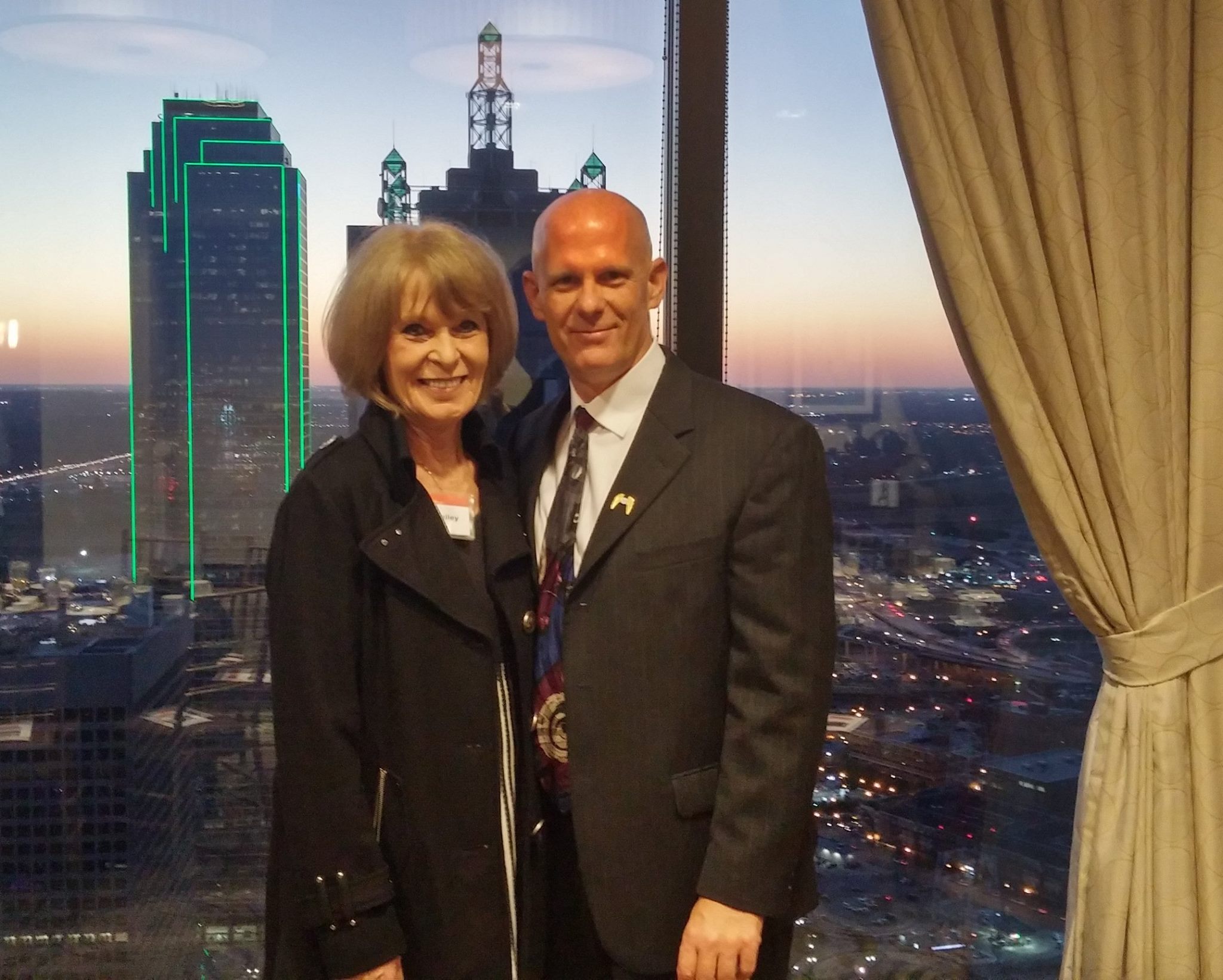
"I tried to stay drunk or high to numb out my feelings of worthlessness," admits Bryan Kelley.

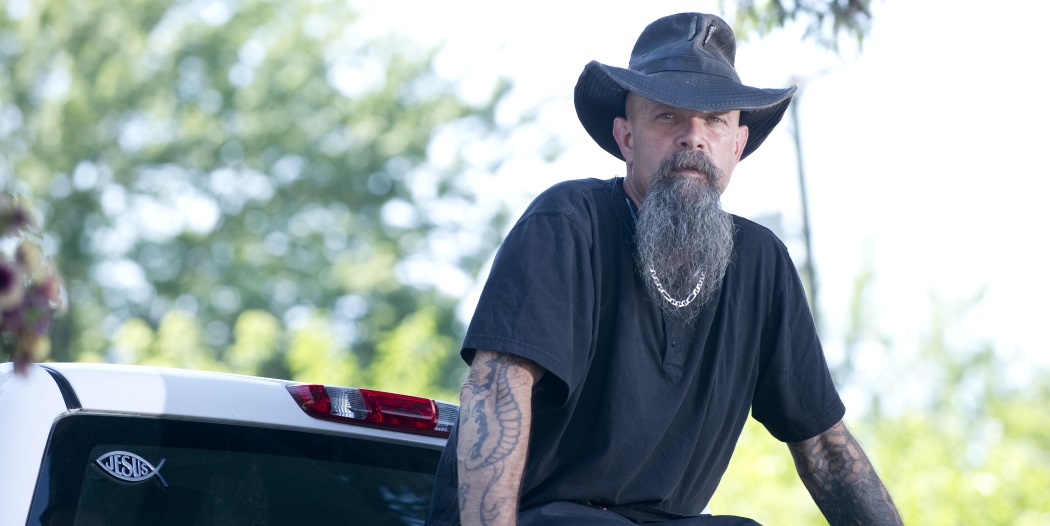
With his wiry gray beard, rugged appearance, and familiar name, William “Billy” Kidd looks like someone who has stories to tell.
And he does. The former drug dealer who was once a leader of the Aryan Nation within the Michigan correctional system has spent much of his life in and out of prison, with the many tattoos covering his body chronicling his nefarious past.
Animals. Subhuman. Unrepentant. Undeserving of mercy.
The perceptions that many people have of prisoners are harsh and unforgiving. They are formed by television and movies, augmented by the nightly news, and used by politicians seeking to sway voters that they are “tough on crime.”

Oklahoma incarcerates more women per capita than any other state: 142 per 100,000. About 65 percent of women there were convicted of nonviolent drug offenses. And most of these prisoners are mothers.
Case in point: Samantha Houston-Brown.
An only child whose parents divorced when she was two, Houston-Brown—now 43 with children of her own—grew up feeling very much alone.

Country music has a long and unique relationship with the corrections system. Several of the genre’s biggest stars served prison sentences, and have written some of their most familiar songs about their time behind bars. Legendary albums have been recorded in unique settings such as San Quentin, Folsom Prison, and Angola.

“Do you want the man getting out of prison to be in the pew next to you—or in the alley behind you?”
That was the question posed to me the other day by a prisoner I will call Tom. Tom has served over 30 years behind bars and is currently incarcerated at State Correctional Institution—Mahanoy in Frackville, Pennsylvania.
- « Previous Page
- 1
- …
- 4
- 5
- 6
- 7
- 8
- …
- 14
- Next Page »