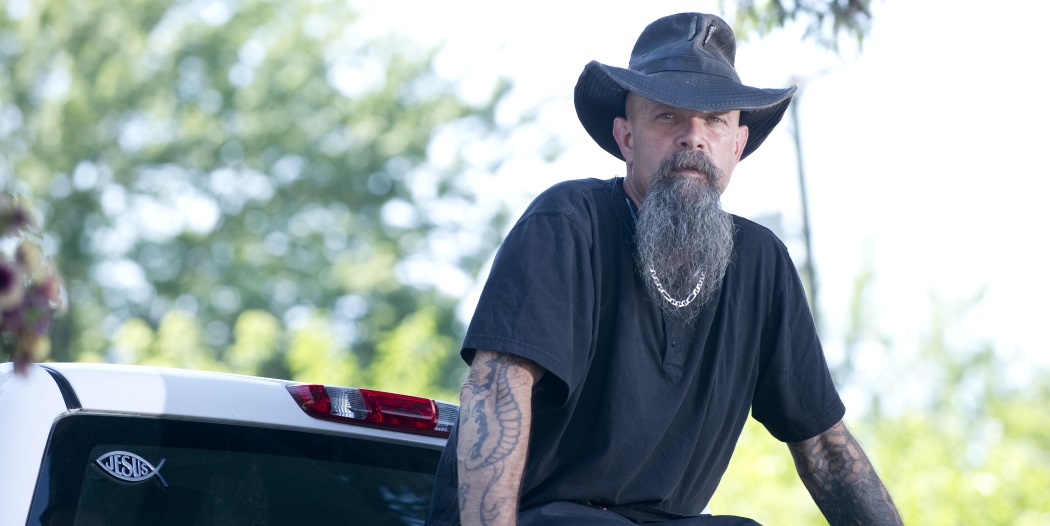
Prison can be a dark place, full of corrosive influences. Prisoners who want to follow Christ must fight against a tide that threatens to push them back into old behaviors and thought patterns. Other men and women might be curious about Jesus, but, cynical about the value of “religion,” they balk at the idea of attending a chapel service.

Ronal Sherpas identifies himself as a conservative, law-and-order type. The current professor of criminology at Loyola University in New Orleans previously served as police chief in both Nashville and New Orleans, and has spent over 34 years in law enforcement.
But when it comes to creating an effective strategy to reduce crime, Sherpas’ approach to reducing crime might not be what most people would imagine from a “tough on crime” career police officer.

A version of the following article originally aired as a BreakPoint commentary on August 18, 2016, and is reproduced here with permission.
Charles W. “Chuck” Colson was packing his bags to go home, having served his time for a Watergate-related offense.

Nearly every fourth Tuesday of the month, a shabby batch of bicycles arrives at the gates of Folsom State Prison.
Members of the Cameron Park Rotary Club collect the misfit bicycles from a warehouse in Diamond Springs, California, and send them off to Folsom to be repaired, repainted, and restored.
As Prison Fellowship celebrates our 40th anniversary, we are reminded how important our ministry partners are in bringing about transformation in the lives of prisoners, ex-prisoners, and their families. From in-prison volunteers, to prison officials, to local church ministries and transitional housing, there are many people that continue to “remember the prisoner” and seek to restore them to their communities.

Most of us have them in our wallets or purses right now—little laminated cards with our names and a typically bad photograph that identifies who we are and where we live. They are of vital importance to any number of routine tasks, be it cashing a check, purchasing an airline ticket, or applying for a job.

A new criminal justice reform organization recently surveyed 800 people who have been the victims of violent or property crime in the last 10 years, asking them their opinions on issues surrounding incarceration and alternative sentencing. The answers received reveal quite a bit about the depth of support for justice reform.

Over the last quarter century, the number of women behind bars has increased by more than 700 percent. According to The Sentencing Project:
Half of those women were not employed full-time the month before incarceration. Nearly half had never finished high school.
Hot Chicken Takeover (HCT) is an up-and-coming restaurant in the trendy “Short North” neighborhood in Columbus, Ohio. The popular eatery boasts that it has the best “Nashville style” fried chicken and soul food in town, with long communal tables designed to allow patrons to share the experience with others.
When David arrived at San Quentin prison two years ago to serve an 11-year sentence for a crime he committed as a minor, he didn’t expect to find hope or a second chance. But thanks to a department of corrections-sponsored program that gives young prisoners more access to education and rehabilitative programming, David has been given both.
For many of the men and women charged with serious crimes, punishment starts long before the trial.
Under the current bail system in most states, charged defendants are given the opportunity to pay an amount of money, commensurate with the severity of the crime and the risk of flight, to ensure that they will show up for their court date.

A new initiative in Iowa is encouraging employers to consider hiring men and women with criminal records, highlighting the positive impact such hires can have for businesses and for their communities.
The United States Attorney’s Office will be presenting a series of three workshops across northern Iowa to help assist former prisoners to find and keep employment.

The newly announced president and CEO of Prison Fellowship, James Ackerman, was recently interviewed on WHO Radio in Des Moines, Iowa. During the program, Ackerman described to host Jamie Johnson the work of Prison Fellowship, and how he came to be involved with prison ministry.

The following article appears in the Summer 2016 issue of Inside Journal, Prison Fellowship’s quarterly publication written specifically for incarcerated men and women. To learn more about Inside Journal, and to read or print out previous issues, click here.
William “Billy” Kidd used to live up to his outlaw name.

“The only thing I’d ever graduated from was drug treatment. I had no training, no certifications in anything. What I did have was a very lengthy criminal history,” says Jessica Towers.
With six felonies and a scant professional résumé, Jessica wasn’t exactly set up for success as a jobseeker.
- « Previous Page
- 1
- …
- 20
- 21
- 22
- 23
- 24
- …
- 38
- Next Page »