Ever wonder what life is like for someone with a criminal record?
A new quiz on the Marshall Project website gives readers an opportunity to see how much they know about the hurdles that face men and women who have committed crimes.

Ever wonder what life is like for someone with a criminal record?
A new quiz on the Marshall Project website gives readers an opportunity to see how much they know about the hurdles that face men and women who have committed crimes.

“Justice that restores. What does that mean? Who are we restoring? Where are we restoring them to?”
Prison Fellowship President and CEO James Ackerman asks these questions to a recent gathering of volunteers in Tampa, Florida. The answer, he suggests, can be found in the words of the prophet Isaiah: “Learn to do right.

When Dr. James Gilligan started work as a prison psychiatrist in a medium-security facility in Massachusetts, he took with him a pre-formed perspective on the men he would be treating.
“I had been taught up to that point that violent criminals were untreatable sociopaths, that they would manipulate you,” he remembers.

“What happens after the 50th landlord tells you that you can’t rent an apartment because of your record, or the 50th employer explains that their company doesn’t hire ‘felons’?”
Christopher Poulos, executive director of Life of Purpose Treatment at the University of North Texas, asks this in a piece for The Bangor Daily News.

Zane Tankel knows what it means to have a second chance.
The now-75 year old remembers growing up in a tough neighborhood in Patterson, New Jersey. A self-described “tough guy,” Tankel regularly skipped school, learning to fight, steal, and intimidate. “I went away for a little while as a kid,” he admits.

Christianity Today dedicated its September issue to the topic of evangelicals and their ministry to those impacted by crime and incarceration. One excellent article–How Churches Change the Equation for Life After Prison–highlighted the fact that over the past several decades, Christians have entered the arena of prison ministry in hordes, but their focus has been largely on evangelism and discipleship–impact on an individual and heart level–while areas like reentry and criminal justice reform have been largely untouched.

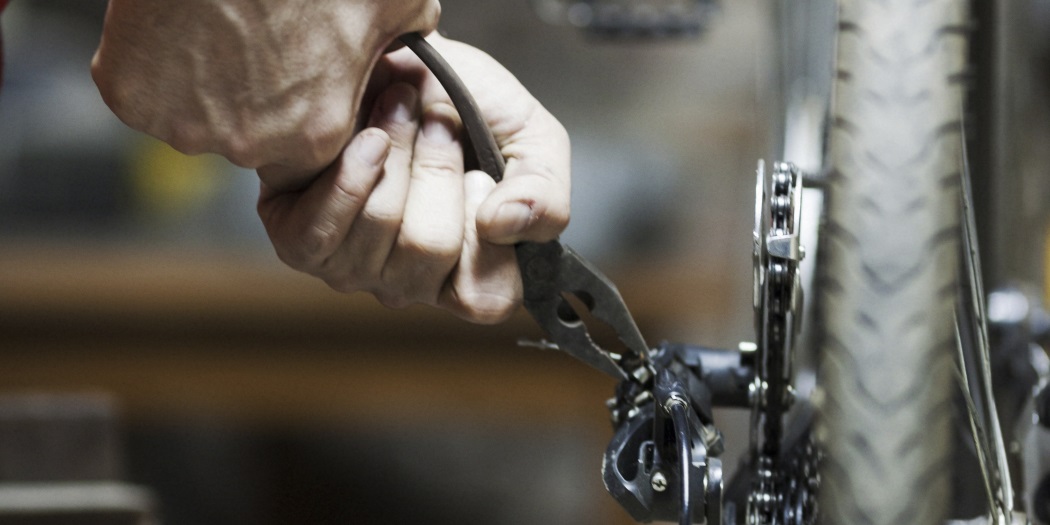
Nearly every fourth Tuesday of the month, a shabby batch of bicycles arrives at the gates of Folsom State Prison.
Members of the Cameron Park Rotary Club collect the misfit bicycles from a warehouse in Diamond Springs, California, and send them off to Folsom to be repaired, repainted, and restored.
As Prison Fellowship celebrates our 40th anniversary, we are reminded how important our ministry partners are in bringing about transformation in the lives of prisoners, ex-prisoners, and their families. From in-prison volunteers, to prison officials, to local church ministries and transitional housing, there are many people that continue to “remember the prisoner” and seek to restore them to their communities.

Most of us have them in our wallets or purses right now—little laminated cards with our names and a typically bad photograph that identifies who we are and where we live. They are of vital importance to any number of routine tasks, be it cashing a check, purchasing an airline ticket, or applying for a job.

Over the last quarter century, the number of women behind bars has increased by more than 700 percent. According to The Sentencing Project:
Half of those women were not employed full-time the month before incarceration. Nearly half had never finished high school.
Hot Chicken Takeover (HCT) is an up-and-coming restaurant in the trendy “Short North” neighborhood in Columbus, Ohio. The popular eatery boasts that it has the best “Nashville style” fried chicken and soul food in town, with long communal tables designed to allow patrons to share the experience with others.

A new initiative in Iowa is encouraging employers to consider hiring men and women with criminal records, highlighting the positive impact such hires can have for businesses and for their communities.
The United States Attorney’s Office will be presenting a series of three workshops across northern Iowa to help assist former prisoners to find and keep employment.

The following article appears in the Summer 2016 issue of Inside Journal, Prison Fellowship’s quarterly publication written specifically for incarcerated men and women. To learn more about Inside Journal, and to read or print out previous issues, click here.
William “Billy” Kidd used to live up to his outlaw name.

Scan the radio dial on any summer road trip, and you will find no shortage of talk radio programming. Whether conservative, liberal, or somewhere in-between, there are always plenty of people who are willing to share their opinions and their experiences about the events and issues of the day.
When the Rev. Damita Davis-Howard’s son was released from his incarceration in 2014, he sought to rebuild his life. He moved in with his young son, his son’s mother, and her family, and attempted to be the father he himself had not had since his own had passed away when he was 13.